Industry Insight
Music PR Strategy: The Essential Campaign Timeline for Successful Independent Releases
A comprehensive guide for independent artists on structuring a six-week music PR campaign to maximize media coverage, streaming momentum, and long-term brand equity.
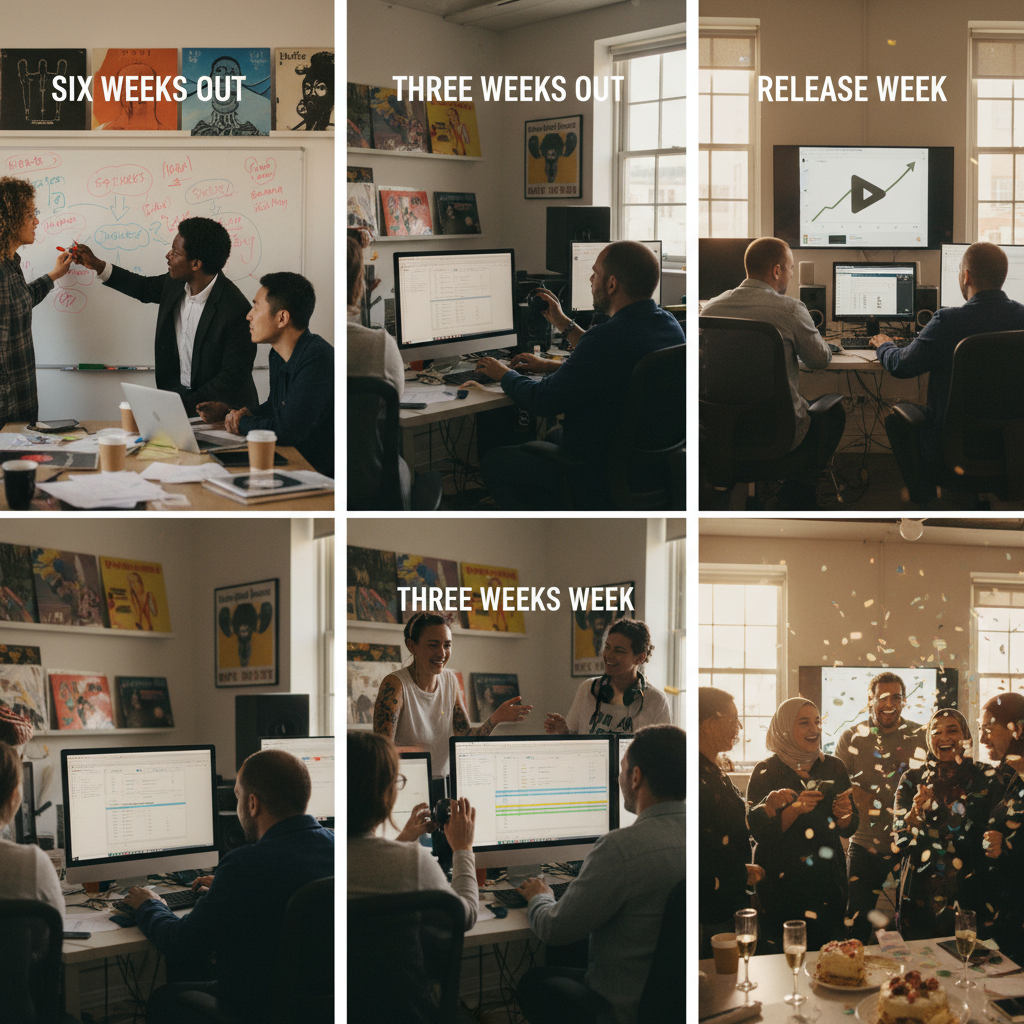
The modern music landscape has shifted from a physical product industry to a data-driven attention economy, making the role of a structured PR campaign more critical than ever for independent artists. While digital distribution has lowered the barrier to entry, the sheer volume of daily uploads to major streaming platforms necessitates a rigorous narrative-led approach to stand out. A successful release is not merely a single event but a cumulative process of building credibility through third-party validation and strategic timing. The foundation of this process begins long before the audio file is uploaded, requiring a minimum lead time of six weeks to align media cycles with platform algorithms.
Six weeks before the release date, the primary focus is on asset finalization and the development of the electronic press kit. This phase involves refining the artist's biography to emphasize unique storytelling angles that transcend the music itself, such as cultural impact, technical innovation, or specific community ties. High-resolution press photography must be secured during this window, as visual identity serves as the first point of contact for editors and playlist curators. It is essential that all visual assets are formatted correctly for both traditional media outlets and vertical social video formats to ensure a cohesive brand presentation.
Four weeks out, the strategic pitching phase commences with a focus on long-lead publications and high-traffic digital music outlets. This period is dedicated to securing premiere placements or exclusive first-listen features that provide the 'social proof' necessary to influence other gatekeepers. During this time, the PR team identifies specific journalists whose beat aligns with the artist's genre and career stage, ensuring that pitches are personalized rather than broadcasted en masse. Maintaining this lead time allows editors the space to schedule coverage into their editorial calendars, which are often finalized weeks in advance.
Three weeks prior to the drop, the strategy shifts toward supporting the pre-save momentum and engaging with niche communities and blog aggregators. This is the period where tastemaker outreach intensifies, targeting influential figures who can spark organic conversation on social media platforms. By securing early reviews or mentions in newsletters, the campaign builds a digital trail that search engines and streaming algorithms recognize as burgeoning interest. Consistency in messaging across all touchpoints during this phase is vital to ensure that the artist's narrative remains clear and professional.
Two weeks before release, the emphasis moves to short-lead digital media and local press outreach, particularly in the artist's home market or touring hubs. This is also the time to coordinate with digital distributors to ensure that the release is properly flagged for editorial playlist consideration on platforms like Spotify and Apple Music. While PR agencies do not control playlisting, the external buzz generated by press coverage often serves as a significant signal to platform editors. A well-timed press feature can provide the necessary context that makes a track more appealing for curated collections.
During the final week leading up to the release, the focus transitions to high-frequency engagement and ensuring all logistics are primed for the launch. The PR team coordinates with the artist to prepare for potential interview requests and live appearances, ensuring they are equipped with talking points that reinforce the campaign's core themes. This is also the window for final follow-ups with media outlets that have expressed interest but have not yet committed to a specific run date. The goal is to create a 'surround-sound' effect where the artist appears across multiple channels simultaneously upon release.
Release week represents the culmination of the campaign, focusing on the amplification of earned media and the conversion of press hits into long-term brand assets. As features and reviews go live, they must be shared across the artist's social channels to demonstrate momentum to both fans and industry professionals. This phase is not the end of the work but rather a transition into post-release maintenance, where the focus shifts to sustaining the conversation and leveraging the current success for future tour bookings or follow-up singles. Documenting these wins is crucial for building a professional history that attracts bigger opportunities in the future.
Successful independent releases rely on the synergy between creative output and logistical precision, where the PR agency acts as the bridge between the two. By adhering to a strict timeline, artists can avoid the common pitfall of a 'silent release' where high-quality music fails to reach its intended audience due to a lack of preparation. It is important to remember that media coverage is a form of professional validation that builds the 'trust equity' required for sustainable careers in a volatile market. Strategic communication ensures that every release contributes to a larger, more impactful career narrative.
GCPR takeaway — GCPR Communications helps independent creators and entertainment brands navigate the complexities of modern media cycles through disciplined campaign management and strategic storytelling. By aligning long-lead media outreach with digital distribution milestones, we ensure our clients build the credibility and visibility necessary to thrive in a competitive attention economy.
Sources & Further Reading
- IFPI Global Music Report 2024
- U.S. Copyright Office - Music Modernization Act
- Harvard Business Review - The New Economics of the Music Industry
This article is editorial commentary from GCPR Communications. It is not medical, legal, financial, or investment advice. Consult a qualified professional for guidance specific to your situation.


